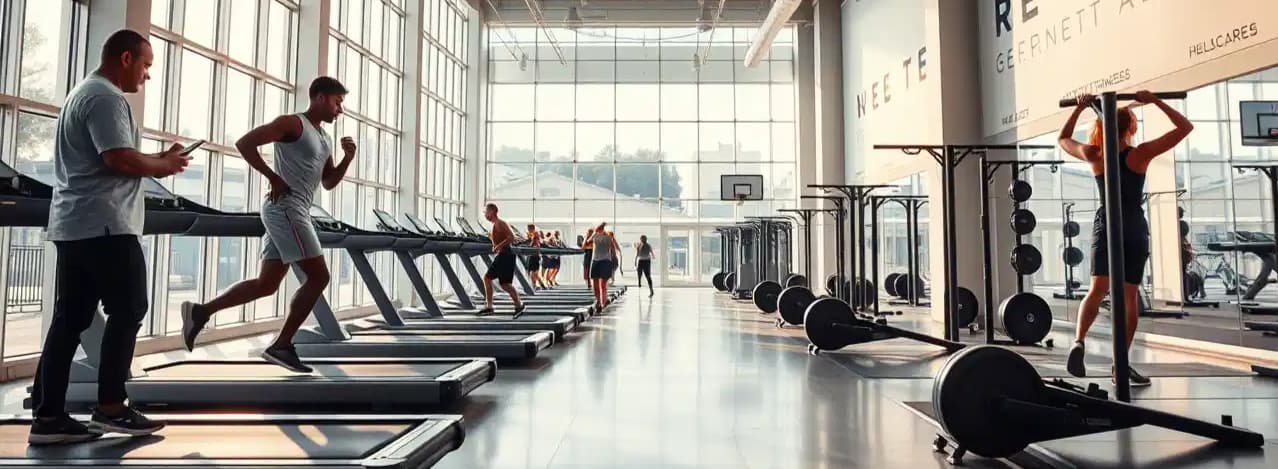
HIGH PERFORMANCE CENTRE
State-of-the-art training for elite athletes
Shaping Champions with Science, Strategy & Support
At SGlobal Acumen, we go beyond traditional training. Our High Performance Centres (HPCs) are data-driven ecosystems that blend sports science, coaching intelligence, and medical expertise to help athletes reach their full potential – from grassroots to elite level.
Objective of High Performance Centre
ESTABLISHMENT OF A HIGH-PERFORMANCE CENTRE
Creating a dedicated centre will transform the future of sports in India, enhancing training and performance.
HOLISTIC ATHLETE DEVELOPMENT
Focus on nurturing athletes through comprehensive physical, mental, and technical training programs.
COMMUNITY ENGAGEMENT INITIATIVES
Involving local communities to foster support for sports, creating a vibrant sports culture.
SUSTAINABLE PRACTICES IN SPORTS
Implementing eco-friendly practices to ensure the long-term viability of sports programs.
AIM FOR OLYMPIC SUCCESS
Strategically preparing athletes to compete at the highest levels, including future Olympics.
BUILDING A LASTING LEGACY
Creating a sustainable sports science framework that benefits future generations of athletes.
Our Impact Strategy
Identify Talent
Engaging athletes from rural and urban areas through scouting programs and district/divisional referrals.
Train Scientifically
Offering structured training programs guided by certified coaches, sports scientists, and performance analysts and data analytics.
Enable Access
Providing free or subsidized access to world-class equipment, nutrition, fitness, and psychological support for underserved talent.
Promote Equity & Inclusion
Gender Equity and Equal opportunities including to Para Athletes.
Drive Olympic Readiness
Encouraging participation from girls, economically disadvantaged communities, and regions with low sports infrastructure.
Long-Term Athlete Development (LTAD)
This alignment ensures that every aspect of an athlete's journey—training, competition exposure, and performance targets—is guided by clearly defined benchmarks for technical skill, physical capability, and psychological readiness. By linking these elements, the pathway provides a structured progression from early talent identification through to national team selection and, ultimately, podium success at the Asian, World, Commonwealth, & Olympic levels
Pathway Stages:
Learn to Compete 8–6 years from Gold Medal Profile target
Focus on refining technical skills, developing race strategies, and building resilience.
Train to Compete 6–4 years out
Emphasis on high-intensity training, sport science support, and exposure to major competitions.
Train to Win – Phase 1 4–2 years out
Optimization of all performance factors—technical precision, race execution, physiological conditioning, and mental readiness—under championship conditions.
Train to Win – Phase 2 Final 2 years
Fine-tuning every aspect of preparation to achieve medal-winning performances.
* Number of year(s) out should only be used as a guide since athletes progress at different rates.
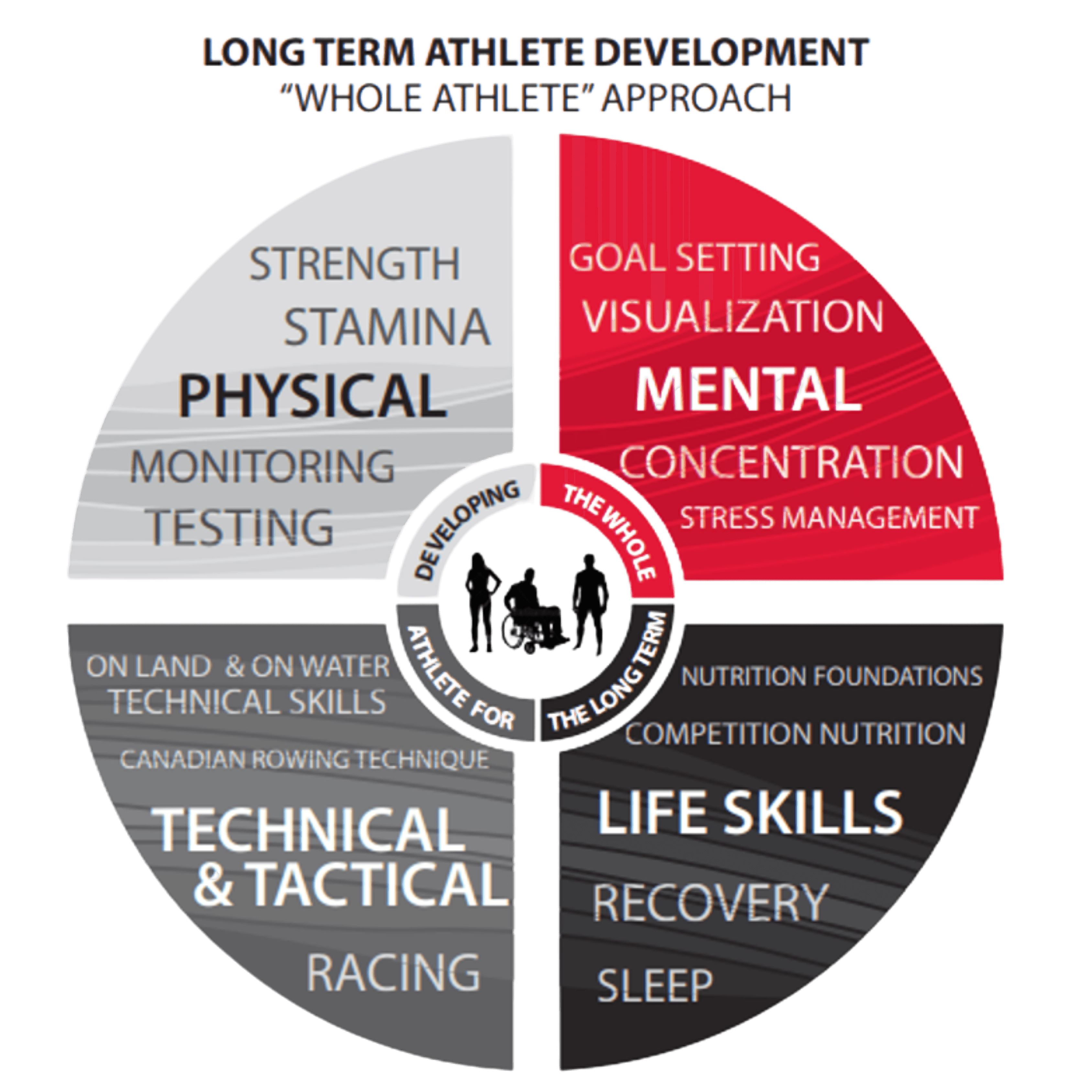
Delivering the Whole Athlete Development Pathway
Delivering the Athlete Development Pathway involves a systematic approach to building complete, well-rounded athletes. Coaches can use itemized skills lists, progressing from foundational to advanced competencies, to ensure orderly athlete development. This model follows the “Whole Athlete” philosophy, addressing all key domains of performance.
Key components of the pathway include:
Physical: Focus on overall and sport-specific endurance, stamina, strength, speed, suppleness, and flexibility.
Technical & Tactical: Build foundational skills in boat handling, rowing, and race tactics.
Mental: Develop abilities in goal setting, concentration, visualization, and stress management.
Life Skills: Establish strong nutrition habits, recovery protocols, and competition nutrition strategies.
This pathway also offers supporting materials to help coaches assess and progress athletes effectively. The guiding information provided allows for the structured building of robust athlete development programs, ensuring each athlete reaches their fullest potential at every stage of their journey.
Coach & Ecosystem Development
Scope of Services
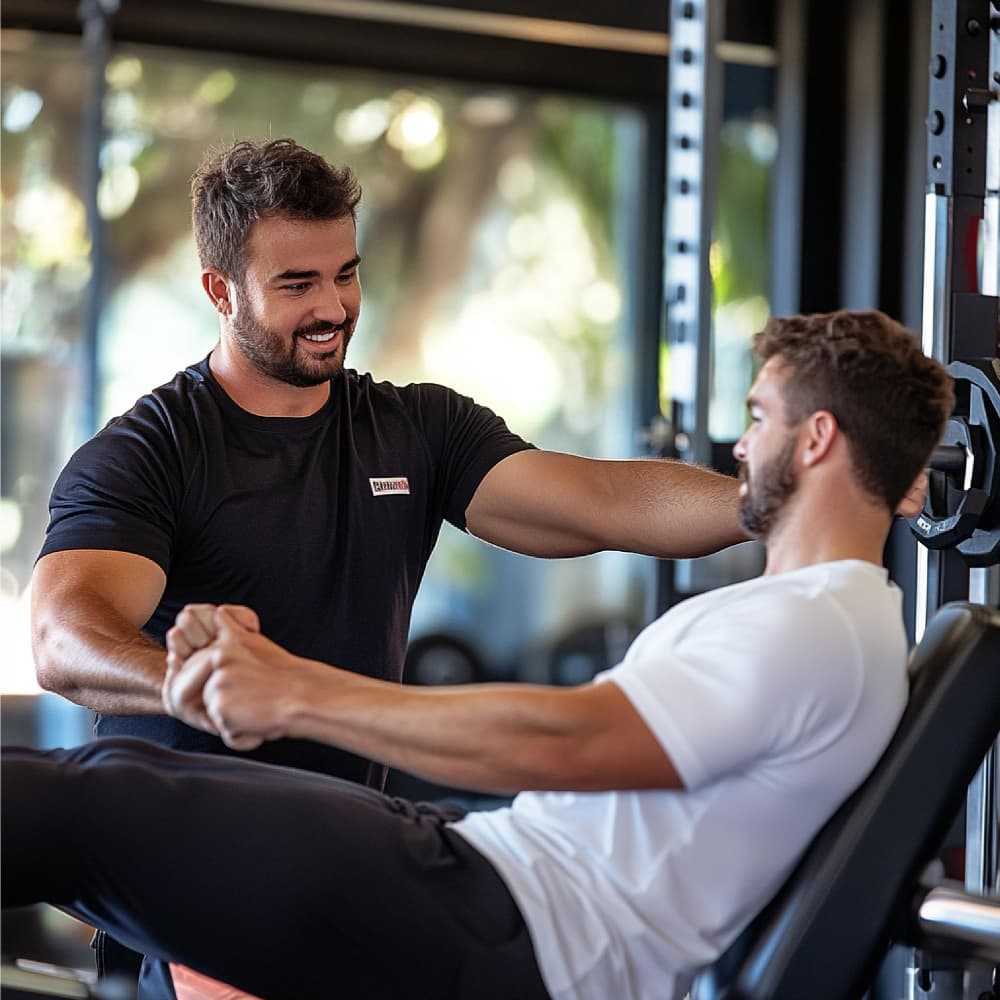
Coaching is a vital way to extend learning and training beyond the classroom and create an environment of continuous and personalized learning. Coach and ecosystem development involves creating structured, supportive environments that prioritize continuous learning, accreditation, and collaboration among coaches, rather than just one-to-one, performance-only interactions. It integrates tools like mentorship, workshops, and data-driven insights to foster growth, standardization, and professionalization.
- Coach accreditation & workshops
- Nutrition & psychology upskilling
- Sport teacher & PE faculty development
- Athlete life skills & career awareness modules
- Medical and rehabilitation facility set up
- Implementation of sports science, data analytics, and modern technology to enhance performance and training
- Constraining the Coach: A technique where limitations are placed on coaches to increase their adaptability and awareness
- Mentorship & Apprenticeships: Providing hands-on, practical training to develop new coaches
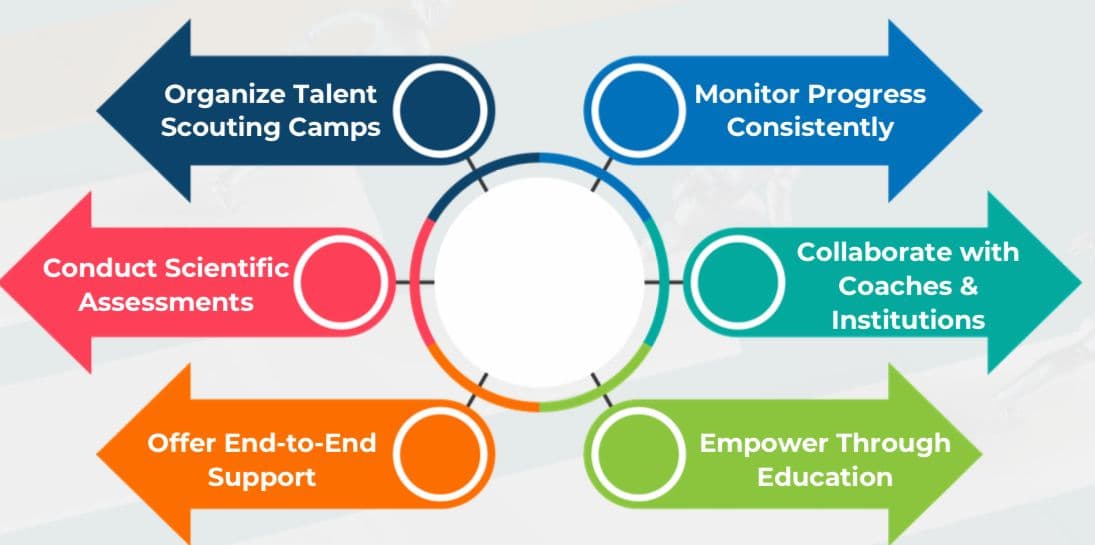
Talent Scouting & Progress Monitoring
Scope of Services and Tools used
Developing a talent program involves: Needs Assessment, Program Design, Stakeholder Engagement, and Continual Monitoring and Evaluation to ensure program effectiveness and adaptability.
- Foundation Stage: Focus on fundamental movement skills
- Talent Stage: Introduction to sport-specific skills and structured training
- Elite Stage: High-performance training and competition
- Mastery Stage: Sustained excellence and potential transition to mentorship roles
- Physical Assessments: Measurements of height, weight, body composition, and fitness tests
- Physiological Assessments: Evaluations of endurance, strength, speed, and agility
- Psychological Assessments: Analysis of mental toughness, motivation, and stress response — e.g. VO2 max tests, lactate threshold assessments, and muscle fiber typing
- Sociocultural Factors: Consideration of the athlete's background, support systems, and access to resources
- Biomechanical Testing: Analysis of movement patterns to identify efficient techniques
- Genetic Considerations: Understanding genetic predispositions while acknowledging the influence of training and environment
- KPIs: Metrics such as athlete progression rates, retention, and performance outcomes
- Feedback Mechanisms: Surveys, interviews, and performance reviews to gather insights
- Continuous Improvement: Utilizing data to refine training methods and program structures