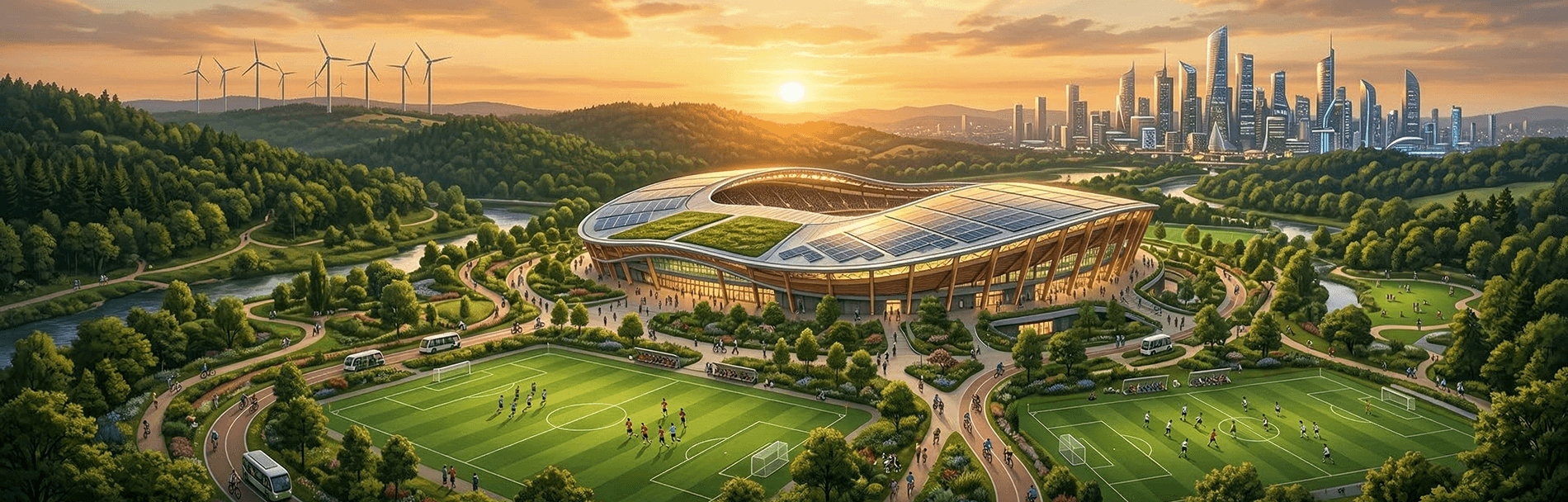
Building a sports venue that respects the environment benefits not only the planet but also athletes, fans, and the community. Here's how sustainable sports facilities are designed and why they matter.
In today’s world, sports facilities are no longer just about hosting games—they are about responsibility, efficiency, and sustainability. Building a sports venue that respects the environment benefits not only the planet but also athletes, fans, and the community. Here’s how sustainable sports facilities are designed and why they matter:
1. Energy Efficiency
A sustainable sports facility uses energy smartly. LED lighting, solar panels, and energy-efficient HVAC systems reduce electricity consumption. Proper insulation and natural ventilation also help maintain comfortable conditions while saving energy.
2. Water Conservation
Water is precious, and sports venues often use a lot of it for fields, showers, and restrooms. Rainwater harvesting, greywater recycling, and low-flow fixtures help minimize water waste and ensure long-term sustainability.
3. Eco-Friendly Materials
Using sustainable materials like recycled steel, low-VOC paints, and responsibly sourced wood lowers the environmental footprint. Durable materials also reduce maintenance and replacement costs, making the facility more sustainable over time.
4. Waste Management
Sustainable facilities include effective waste management systems. Separate bins for recycling, composting, and landfill waste encourage visitors to reduce their environmental impact. Event organizers can also minimize single-use plastics.
5. Green Spaces and Landscaping
Landscaping with native plants and green areas not only beautifies the venue but also supports biodiversity. Green roofs and vertical gardens improve air quality and help regulate building temperature naturally.
6. Transportation & Accessibility
Encouraging public transport, walking, cycling, and electric vehicle charging stations reduces the carbon footprint of visitors. Well-planned access points make it easier for everyone to reach the facility sustainably.
7. Community Engagement
Sustainability is not only about buildings—it's about people. Hosting workshops, educational programs, and community events raises awareness about environmental responsibility while promoting local involvement.