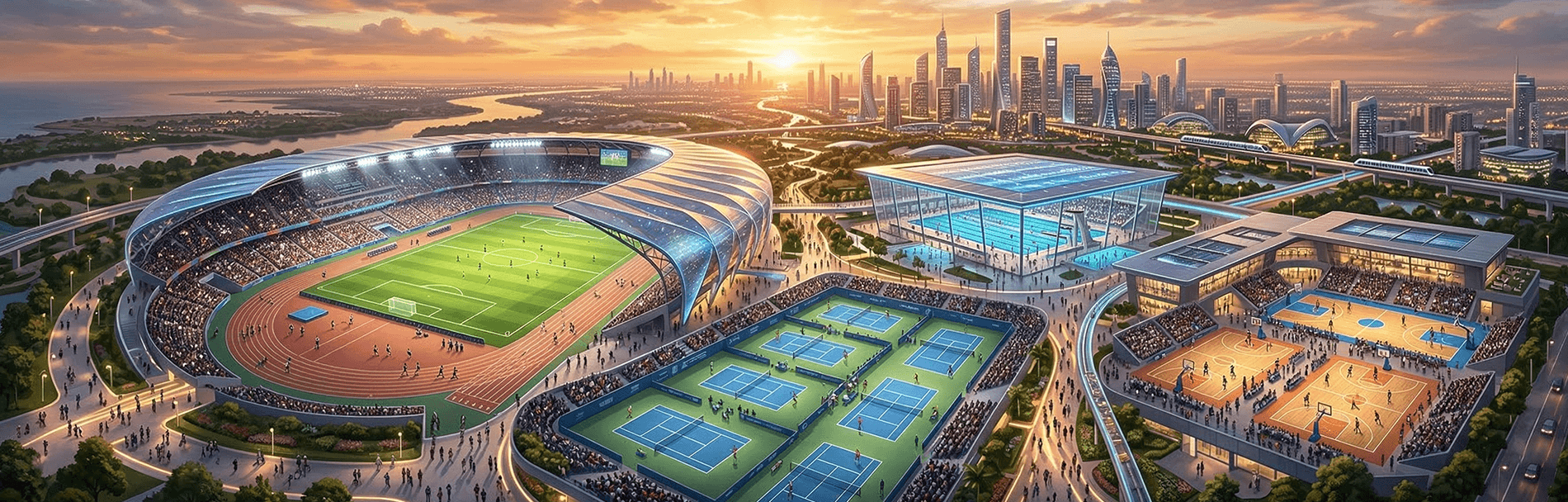
Designing a multi-sport venue isn't just about building courts or fields. It's about creating a space that works for athletes, spectators, and organizers—all at the same time.
Designing a multi-sport venue isn't just about building courts or fields. It's about creating a space that works for athletes, spectators, and organizers—all at the same time. A well-thought-out venue can host different sports smoothly while keeping everyone safe and comfortable. Here's how to do it:
1. Flexibility & Adaptability
A good venue should switch between sports easily. Removable seating, adjustable courts, and retractable goals make it possible to host basketball one day and indoor soccer the next, without major changes.
2. Safety Comes First
Safety is non-negotiable. Flooring should prevent slips, walls and barriers should be padded, and emergency exits must be easy to reach. Every part of the venue should feel secure for both players and fans.
3. Spectator Experience
People come to watch, so make it enjoyable for them. Clear views from every seat, comfortable chairs, shade, and accessible amenities like restrooms and food courts make a huge difference in experience.
4. Lighting & Sound
Good lighting isn't just about seeing—it's also for broadcasting. Acoustics should keep announcements clear and prevent annoying echoes that ruin the excitement of the crowd.
5. Sustainability Matters
Natural light, proper ventilation, solar panels, and rainwater harvesting aren't just eco-friendly—they save money in the long run. Energy-efficient systems make the venue smarter and greener.
6. Player-Friendly Facilities
Athletes need their own spaces too—locker rooms, warm-up areas, and medical rooms are essential. Easy access to the fields or courts ensures smooth transitions between events.
7. Technology Integration
Modern fans expect tech. Smart scoreboards, LED screens, Wi-Fi, and broadcasting-ready setups improve the experience for both in-person and online audiences.
8. Accessibility for All
The venue should be welcoming to everyone. Ramps, elevators, and reserved seating ensure differently-abled athletes and spectators feel included.
9. Easy Movement
Crowds should move freely. Plan entrances, exits, and corridors to avoid congestion, especially around popular spots like food courts and restrooms.
10. Future-Proof Design
Sports evolve, and so should venues. Modular layouts and flexible spaces allow for upgrades and new sports trends without major renovations.