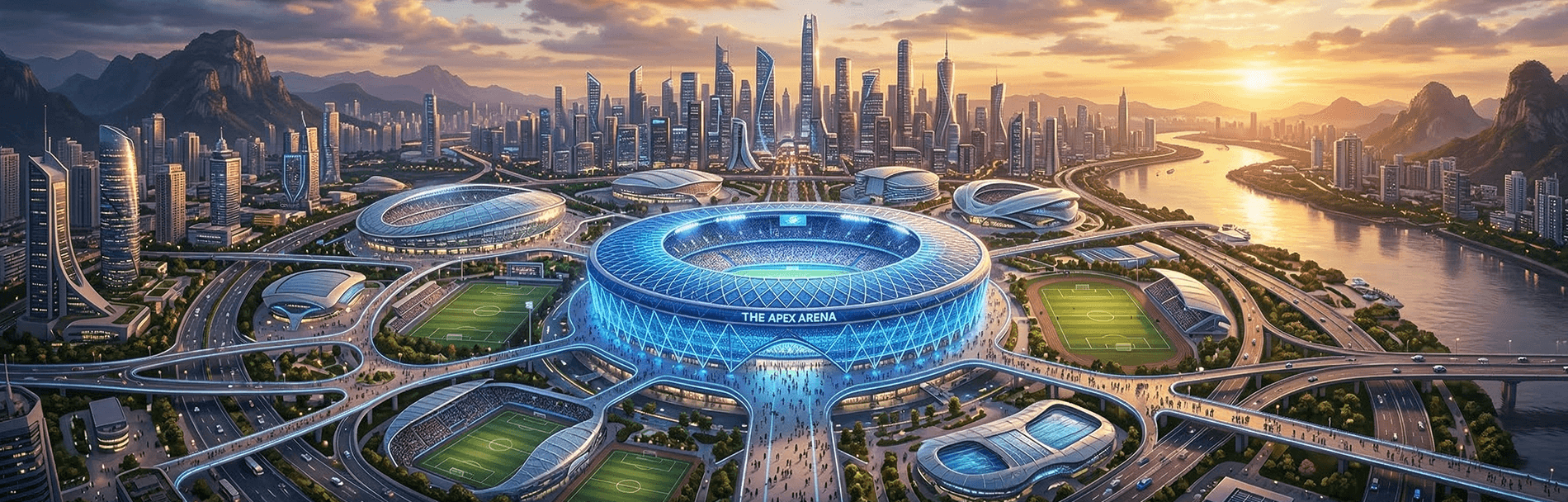
Asia's sports landscape is transforming rapidly, driven by technology, investment, and rising expectations. India is emerging as a key contributor to this evolution, strengthening its sports ecosystem and global presence.
Asia's sports landscape is transforming rapidly, driven by technology, investment, and rising expectations from athletes, fans, and organizations. As nations shift focus from standalone arenas to integrated, sustainable, and multi-purpose facilities, India is emerging as a key contributor to this evolution, strengthening its sports ecosystem and global presence.
Multi-Sport and High-Performance Venues
Future-ready infrastructure emphasizes flexibility. Multi-sport complexes host several disciplines under one roof, maximizing utilization and revenue while boosting grassroots participation. India has been active in this direction with national programs like Khelo India promoting facility upgrades and athlete development from the grassroots up.
India's Current Infrastructure Highlights
- Major new stadiums and complexes are underway, including the Rajgir International Cricket Stadium in Bihar (45,000 capacity).
- Madurai International Hockey Stadium was inaugurated recently, advancing hockey infrastructure in Tamil Nadu.
- Strategic sports districts like the proposed Sardar Vallabhbhai Patel Sports Enclave around the world's largest stadium in Ahmedabad are planned to host global events.
- Government agencies like the Sports Authority of India have approved upgrades for advanced training facilities and athletics tracks across the country.
These developments position India not just as a host of national competitions but as a contender for larger international events, including ambition for future Commonwealth and Olympic bids.
Sustainability and Smart Technologies
Modern infrastructure integrates energy-efficient systems, water conservation, and eco-friendly materials to reduce environmental impact and long-term costs. Smart technologies such as digital ticketing, crowd analytics, and connectivity solutions enhance fan engagement and operational efficiency.
Economic and Social Impact
Well planned facilities attract international tournaments, promote tourism, generate jobs, and foster urban growth. Through public-private partnerships, India is building sustainable investment models that balance innovation and financial viability.
Asia—with countries like India actively strengthening infrastructure—is poised to become a global sports hub. The future lies in intelligent design, strategic planning, and community engagement that empowers athletes and inspires fans for generations to come.