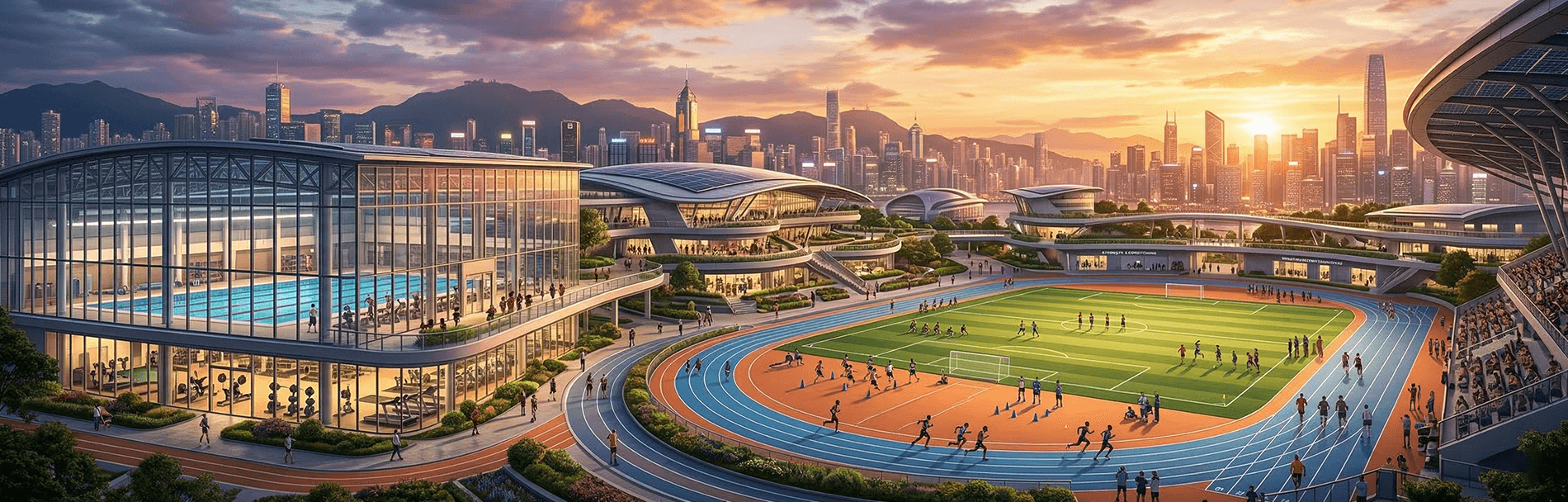
High-performance training centers are holistic environments that integrate advanced technology, sports science, rehabilitation, and performance analytics. Designing such facilities requires careful planning and international standards compliance.
The development of high-performance training centers has become a cornerstone of modern sports infrastructure, as athletes increasingly rely on scientifically designed facilities to achieve peak performance. These centers are more than just practice spaces; they are holistic environments that integrate advanced technology, sports science, rehabilitation, and performance analytics to optimize athlete development. Designing such facilities requires careful planning, international standards compliance, and a long-term vision to ensure both operational efficiency and competitive success.
Strategic Planning and Facility Design
The first step in creating a high-performance training center is strategic planning. Understanding the specific needs of athletes, teams, and governing bodies is critical. This includes identifying the sports disciplines to be supported, performance objectives, and long-term operational goals. Facility design should prioritize flexibility, allowing spaces to adapt to evolving sports trends and emerging technologies. Modular layouts, multipurpose courts, and configurable equipment zones enable centers to serve diverse training requirements while maintaining efficiency.
Integration of Sports Science
One of the defining features of modern high-performance centers is the integration of sports science. Advanced laboratories and analysis systems allow for biomechanical assessments, physiological monitoring, and nutritional optimization. Real-time performance tracking and data analytics help coaches and athletes identify strengths and weaknesses, enabling personalized training programs. Incorporating sports science ensures that athletes not only improve performance but also minimize injury risks, fostering sustainable development over their careers.
Rehabilitation and Recovery Facilities
High-performance training centers must include comprehensive rehabilitation and recovery facilities. Dedicated physiotherapy rooms, hydrotherapy pools, cryotherapy chambers, and recovery lounges provide athletes with essential tools for injury prevention and post-training recovery. These facilities support faster rehabilitation, reduce downtime, and enhance overall performance readiness. A well-integrated recovery program is just as important as the training itself in maintaining athlete longevity and competitiveness.
Technology and Smart Infrastructure
Modern training centers leverage technology to optimize both athlete performance and facility management. Wearable sensors, GPS tracking, and motion-capture systems provide actionable insights for coaches. Additionally, smart building solutions such as climate control, energy-efficient lighting, and automated equipment management enhance operational efficiency. Connectivity solutions, including high-speed internet and data dashboards, enable seamless communication between coaching staff, sports scientists, and management teams.
Sustainability and Operational Efficiency
Sustainability is increasingly a key consideration in the construction and operation of training centers. Using energy-efficient materials, renewable energy sources, and water conservation technologies reduces operational costs and environmental impact. Efficient design also ensures optimal space utilization, allowing centers to serve more athletes without compromising quality. Sustainability practices not only reflect corporate responsibility but also enhance the long-term viability of the facility.
Community Engagement and Multi-Purpose Use
While high-performance training centers primarily serve elite athletes, their design can also incorporate community engagement initiatives. Spaces can host youth development programs, local tournaments, and sports education workshops. This dual-purpose approach strengthens community ties, promotes grassroots sports participation, and maximizes the social and economic value of the facility.